Summary
After more than a decade of criminal proceedings, appeals, and civil litigation, KL Injury Attorneys secured an $8 million judgment for the family of a Broward County husband, father, and restaurant owner who was killed in a high-speed drag racing crash near Broward College.
KL strategically guided the family through years of litigation, ultimately choosing a bench trial approach to streamline the case and focus on the strongest liability evidence. Testimony from family members, expert witnesses, crash evidence, and video footage established the reckless nature of the defendants’ conduct and the enormous emotional loss suffered by the family.
The court awarded $8 million in damages, recognizing both the preventable nature of the crash and the profound impact the loss had on the victim’s wife and children. The result reflects KL’s long-term commitment to wrongful death litigation, strategic trial preparation, and helping families pursue justice after catastrophic loss.
Justice After a Preventable Tragedy
Even a massive judgment is nothing compared to fulfilling a family’s wait for justice and closure.
John Doe was a beloved figure in his community with a loving family and a successful local restaurant business. As a father of three and a stepfather to his wife’s son, he played a central role in his family’s life. His marriage was marked by a strong partnership, both personally and professionally, as he and his wife managed their business together.
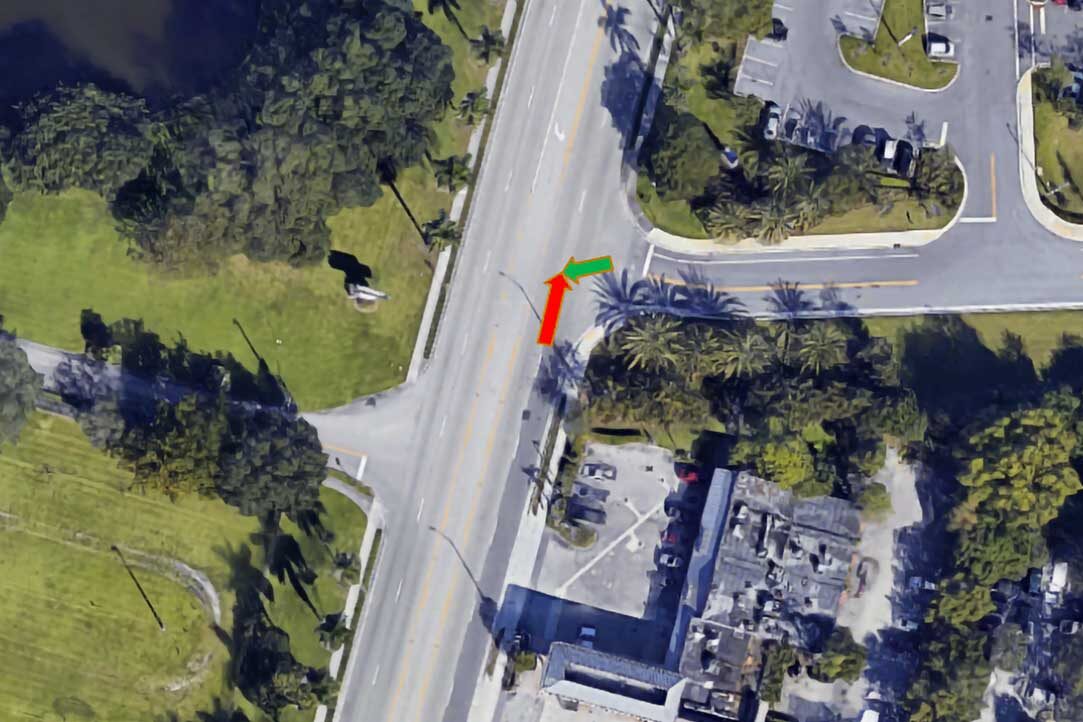
One Sunday morning, John Doe set out to gather supplies for his restaurant, a routine task he had performed countless times before. He was driving near Broward College when he approached an intersection. As he was pulling out into the road, he did not see two cars racing side-by-side northbound, far exceeding the 40 mph speed limit. The Mercedes in the drag race was estimated to be traveling at nearly double the speed limit.
The unavoidable collision was devastating. John Doe was killed instantly, thrown from his vehicle by the force of the crash. The other car, an Infiniti, managed to avoid the collision, but the young passengers in the car sustained injuries – a tragic day throughout.
The Aftermath and Legal Battles
The driver of the Mercedes was charged with vehicular manslaughter. The criminal case dragged on for over four years before the driver was sentenced to 17 years in prison, pending appeals. The driver of the Infiniti faced charges of reckless driving, served time in county jail, and is now on probation.
With the criminal case concluded, the focus shifted to the civil case. John Doe’s widow and children sought justice through a lawsuit against the driver of the Mercedes as well as the vehicle’s owner, who happened to share the same last name as the Infiniti driver. The insurance policy on the Mercedes offered a mere $10,000/$20,000 in coverage, prompting a lawsuit against the driver of the Mercedes, as well as the car’s owner. After six years of litigation and our strategic decision to opt for a speedier bench trial, the judge awarded the family a substantial sum.
The Civil Case
The civil trial was a challenging and emotional journey. We were confident in our strategy and in the evidence, but this family had waited long enough, and we were taking no chances, so we added a co-counsel – a friend of ours, Harry Shevin.
Harry’s experience as a successful prosecutor and civil lawyer in wrongful death accidents played a crucial role in articulating the non-economic damages, emphasizing the profound effects of losing such a central figure in the family’s lives. Our case highlighted the factors of grief considered in wrongful death cases: The victim was a central figure in the family’s life and community, and the accident was sudden, violent, preventable, and unjust.
In addition to opting for a bench trial – presenting only to a judge instead of a jury – we also made the strategic decision to streamline the case and increase the chances of a favorable outcome by dropping the Infiniti driver from the case and focusing solely on the Mercedes driver and the car owner.
Key Testimonies and Evidence
The trial featured powerful testimonies from John Doe’s widow and children. His wife spoke of their deep bond, both in marriage and business, and the immense void his death left in their lives. His children – now grown since the time of the accident – shared heartfelt memories, highlighting the profound impact of losing their father.
Expert witnesses, including a police officer and a video from the nearby school, provided critical evidence of the reckless speed at which the cars were racing. This evidence was crucial in establishing the grounds for punitive damages, given the reckless and wanton conduct of the defendants.
The Verdict
The judge ultimately awarded the family a total of $8 million in damages. This significant award was a testament to the family’s profound loss and the egregious behavior of the defendants.
The case also highlighted the factors of grief considered in wrongful death cases, including the monumental role John Doe played in his family’s life and the sudden and violent nature of his death..
Reflections on the Case
The decision to pursue a bench trial proved to be a strategic success. Judges tend to be neutral and impartial, focusing on the facts rather than being swayed by emotions. This approach allowed for a streamlined presentation of the case, ultimately leading to a favorable outcome for John Doe’s family.
Our commitment to the family guided our every decision to achieve justice for them, although nothing can truly replace the loss of a beloved husband and father. It was a privilege to represent them. Their enduring strength is inspiring.
FAQs
A criminal case is brought by the state and focuses on punishment, such as prison time or probation. A wrongful death lawsuit is a separate civil action brought by surviving family members seeking financial compensation for losses caused by the death. Even if criminal charges are filed, families may still pursue a civil case.
Yes. Criminal penalties and civil liability are completely separate issues. A wrongful death lawsuit can still move forward even if the driver is incarcerated or criminal proceedings are ongoing.
Some wrongful death cases resolve within months, while more complex cases involving disputed liability, multiple defendants, or parallel criminal proceedings can take years. In this case, the legal process lasted nearly a decade due to the complexity of the litigation and related criminal case.
Depending on the circumstances, damages may include loss of companionship, emotional suffering, funeral expenses, lost financial support, medical expenses, and other economic and non-economic damages recognized under Florida law.
A bench trial means the case is decided by a judge instead of a jury. In some complex or emotionally charged cases (like this Broward County case), attorneys may strategically choose a bench trial when they believe a judge-focused presentation may create a more efficient or favorable outcome.
Potentially, yes. When conduct involves extreme recklessness, such as illegal street racing or excessive speeding, punitive damages may be pursued to punish particularly dangerous behavior and deter similar conduct.
Sometimes, narrowing the focus of a case can strengthen the legal strategy. Attorneys may decide to streamline litigation to concentrate on the defendants with the strongest liability exposure or the clearest evidence against them.
Critical evidence often includes crash reconstruction analysis, surveillance footage, eyewitness testimony, police reports, vehicle data, medical records, and testimony from surviving family members regarding the impact of the loss.
Yes. Many wrongful death firms represent families throughout Florida, including cases involving fatal crashes, trucking accidents, commercial vehicle collisions, DUI crashes, and other catastrophic negligence claims.
Early investigation can be extremely important because evidence such as surveillance footage, witness testimony, and vehicle data may disappear over time. Preserving evidence quickly can significantly affect the strength of a wrongful death claim.