Our client was driving home from work on I-95 in Broward County, Florida, when a distracted driver failed to notice that traffic had stopped for typical rush-hour congestion. The distracted driver rear-ended our client’s vehicle at a high rate of speed.
Our client declined emergency treatment at the scene and instead went to urgent care a couple of days later because of neck and back pain. She underwent conservative care before ultimately requiring pain management through an injection procedure.
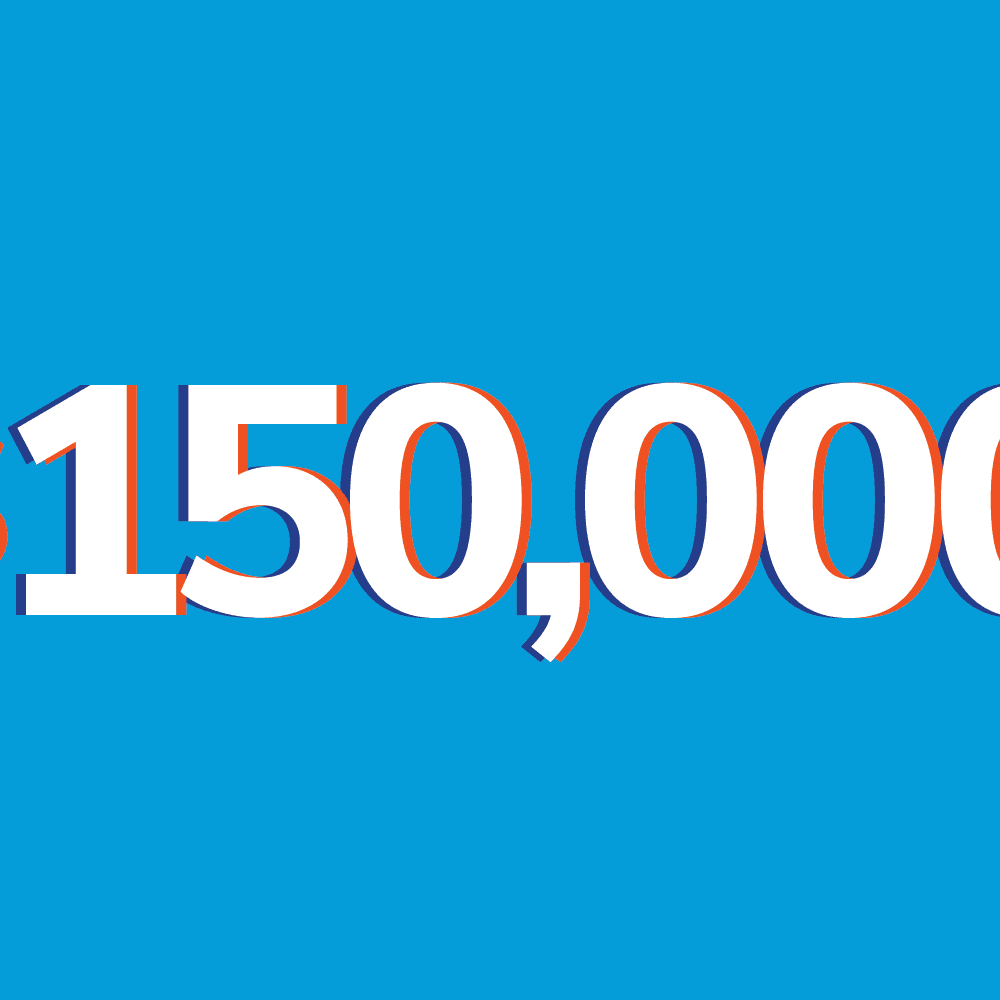
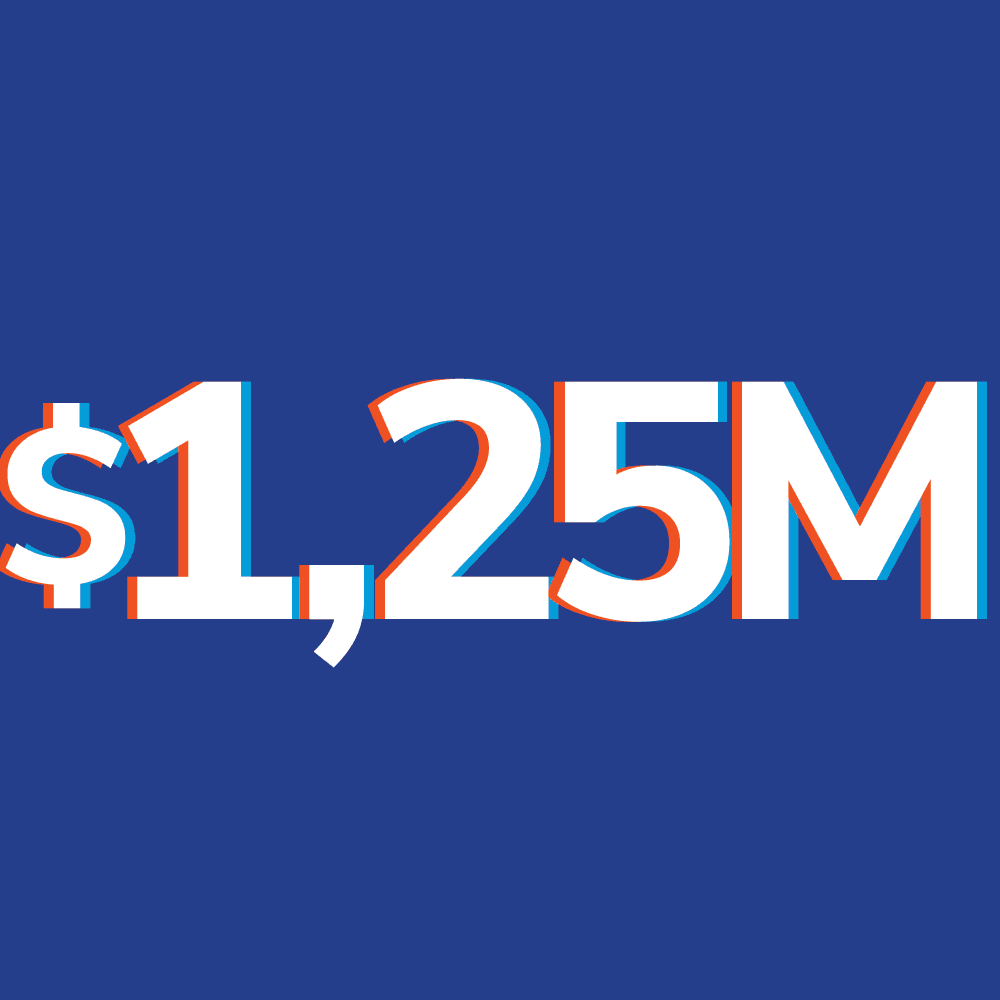
The insurance carrier offered just $14,000. We immediately rejected the offer and filed suit. Our litigation team ultimately settled the claim for the full $250,000 policy limits.
Key Takeaways
- A distracted driver rear-ended our client on I-95 in Broward County during rush-hour traffic.
- Our client suffered neck and back injuries requiring pain management injections.
- The insurance carrier’s initial offer was just $14,000.
- KL rejected the lowball offer and filed a lawsuit.
- The case settled for the full $250,000 policy limits.
Why Rush-Hour Highway Crashes Often Involve Clear Liability
Distracted driving in stop-and-go highway traffic is one of the most common causes of rear-end crashes. When a driver fails to notice stopped traffic, liability is often straightforward — but that doesn’t always translate into a fair initial offer.
KL documented the crash, the traffic conditions, and the medical treatment that followed to build a complete picture of our client’s damages.
How KL Turned a $14,000 Offer Into Full Policy Limits
A $14,000 offer did not come close to reflecting the treatment our client required, including conservative care and injection-based pain management. Rather than negotiate against a number that undervalued the claim, KL filed suit.
That decision put pressure on the insurance carrier to reevaluate the case, and our litigation team ultimately secured the full $250,000 available under the policy.
FAQs
You don’t have to accept it. An attorney can evaluate the offer against your medical treatment, damages, and available coverage before deciding whether to negotiate further or file suit.
Yes, if the damages and evidence support it. Recovering full policy limits often requires strong documentation and, in some cases, litigation.
Pain management can include injection procedures and other non-surgical treatments used to address ongoing pain from an accident-related injury.
Stop-and-go traffic, distracted driving, and following too closely all contribute to a higher risk of rear-end collisions during rush hour.