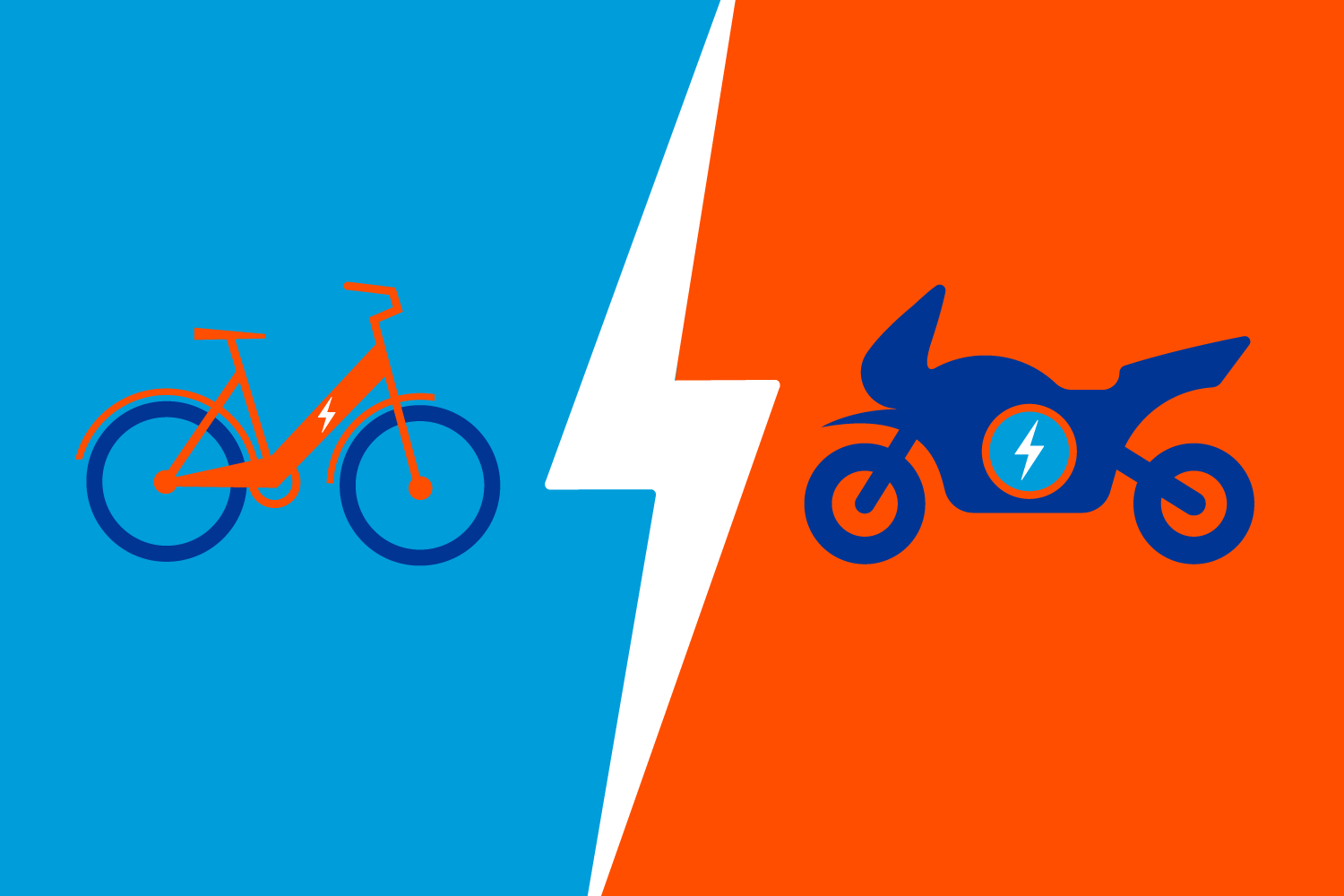
The e-Bike trend is everywhere. And while retailers are quick to push how fun, easy, and safe they are to operate, we spoke with law enforcement and reviewed the current Florida statutes to help you understand what to watch out for when buying an e-Bike, especially if your teenager is the one riding around.
Not all e-Bikes are legal for teens
Florida makes a clear legal distinction between electric bicycles and electric motorcycles, and the difference isn’t based on branding, price, or what the salesperson calls it. It comes down to a few key features.
What counts as an e-bike in Florida
A true e-bike must have pedals and have a top speed no faster than 28 mph.
These bikes require no driver’s license or registration and are allowed on bike lanes, bike paths, and certain trails.
If the bike has no pedals and can go faster than 30 mph, then it is an electric motorcycle under Florida law. This means:
- A driver’s license is required to operate it
- The vehicle must be registered with the DMV
- Insurance is required
- It can only be used where motor vehicles are allowed
It’s hard to spot the differences in the store
Visually, these electric motorcycles don’t make it easy to tell the difference either. Popular brands teens are seen riding every day like Sur-Ron, Talaria, and the Segway X160/X260, look like rugged, high-end mountain bikes. They have bicycle-style frames, bicycle-sized wheels, and are often sold in bike shops. But the absence of pedals (and the ability to reach motorcycle-level speeds) means they are not legally bicycles at all. Under the law, it’s a motorcycle.
The Hidden Legal Consequences for Teens
This, unfortunately, is where most parents get blindsided. At KL, we’ve represented families who had no idea their child was technically riding a motorcycle until law enforcement explained it during a traffic stop or after a crash with injury. Retail stores usually do not give you the details of these differences, and the responsibility is on the buyers to know what exactly the type of e-bike they are getting.
Teens riding electric motorcycles without the proper documents are often fined and even charged with operating a motor vehicle without a license. These can create license delays that affect their future driving privileges. And if a crash happens, the problems multiply if your teen is riding an electric motorcycle illegally. Even minor accidents become legally complicated. Insurance will not cover the crash, and the parents may be held financially responsible. This means medical bills, property damage, and legal fees can fall entirely on the family.
The Real Risk: How Teens Actually Ride These Bikes
Even when parents understand the legal difference between e-bikes and electric motorcycles, many underestimate how these vehicles are actually used. Teens rarely ride alone or with caution. They often ride in groups, pushing speed limits, weaving through traffic and parking lots, popping wheelies, and following friends onto sidewalks, trails, and other surfaces where motor vehicles are not permitted. At KL Injury Attorneys, we see that many serious crashes are caused not by equipment failure, but by these reckless behaviors that parents never anticipated.
From a legal and insurance standpoint, these actions carry real consequences. Wheelies and stunt riding can be classified as reckless or careless operation of a motor vehicle, and riding a legally defined motorcycle on sidewalks, bike paths, or parks is simply unlawful. When a crash occurs under these circumstances, fault is easier to establish, insurance coverage may be denied, and parents can be held financially responsible, especially if the rider is unlicensed or the vehicle is unregistered. The danger goes far beyond the bike itself, but in how and where teens ride it.
Your Checklist To Protect Your Teen and Yourself
If your teen is riding an “e-bike” that doesn’t have pedals, they are likely operating a motor vehicle with all the legal obligations that come with it. Here’s your checklist to be sure what they’re riding before you buy:
- Confirm whether the model has pedals
- Ask for the top motor-assisted speed
- Verify whether registration or insurance is required
- Make sure your teen is legally old enough to operate it
- Talk with your teen about where they can and can’t ride it
And remember: Whether it’s an e-bike or an electric motorcycle, there are traffic laws each has to follow.
A little research now can prevent a major legal and financial issue later.